Heel Pain That Won't Go Away: What You're Probably Missing
When heel pain outlasts months of trying, one of four things is usually going on. None of them is 'just live with it.'
Read the article →If your first steps out of bed feel like stepping on a nail, you already know the signature of plantar fasciitis. It's the most common cause of heel pain in working adults, it can be diagnosed in one visit, and the overwhelming majority of cases get better without anyone mentioning an operating room.
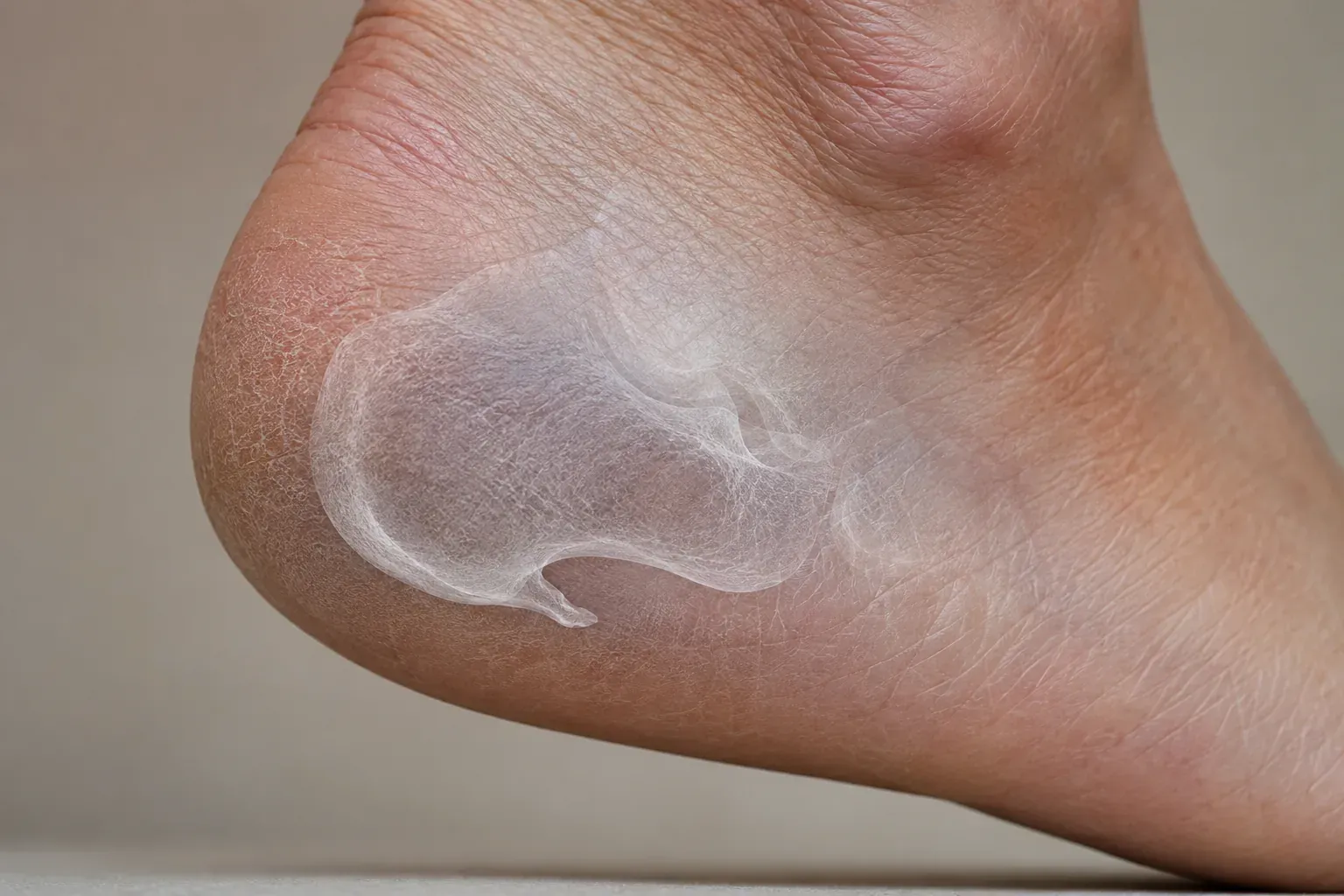
The plantar fascia runs from your heel bone to the base of your toes and holds up the arch the way a bowstring holds a bow. When the daily load on it outpaces what the tissue can repair overnight, tiny tears pile up at the point where the band anchors into the heel. Despite the name, established plantar fasciitis behaves less like an inflammation than like stalled healing, which is why ibuprofen alone rarely cures it. Correct the load on the tissue and the tissue can finally repair itself.
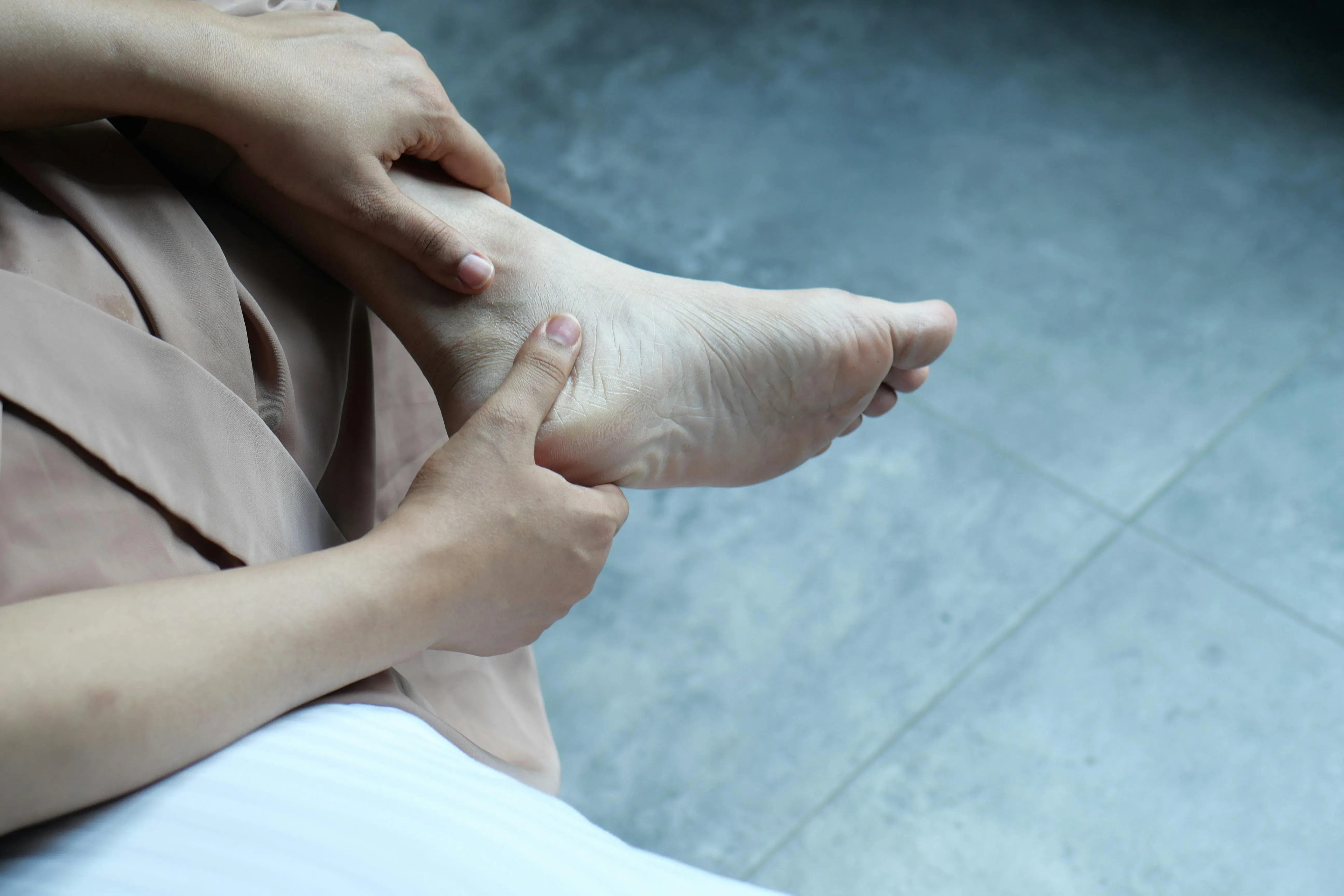
The story usually gives it away: first-step pain, tenderness where the arch meets the heel, tight calves. Dr. Repitor confirms it by hand and rules out the imitators, like a heel stress fracture or a pinched nerve. When the pattern isn't classic, in-office ultrasound measures the fascia's thickness and checks for a tear, and X-rays take a look at the bone.
Give it two weeks of honest self-care: daily calf stretching, supportive shoes even around the house, and easing back on impact. Pain that outlasts that trial, or that has been building for months, deserves an exam. The fascia's tissue quality degrades the longer it stays overloaded, and old cases simply take longer to fix than fresh ones.
Call (586) 277-3476 promptly for: sudden sharp arch pain with a pop during activity, which can signal a fascia rupture; heel pain with fever or spreading redness; pain with numbness or burning into the toes. Urgent foot problems are worked into the schedule faster.
Treatment starts with the simplest option likely to work and escalates only when needed.
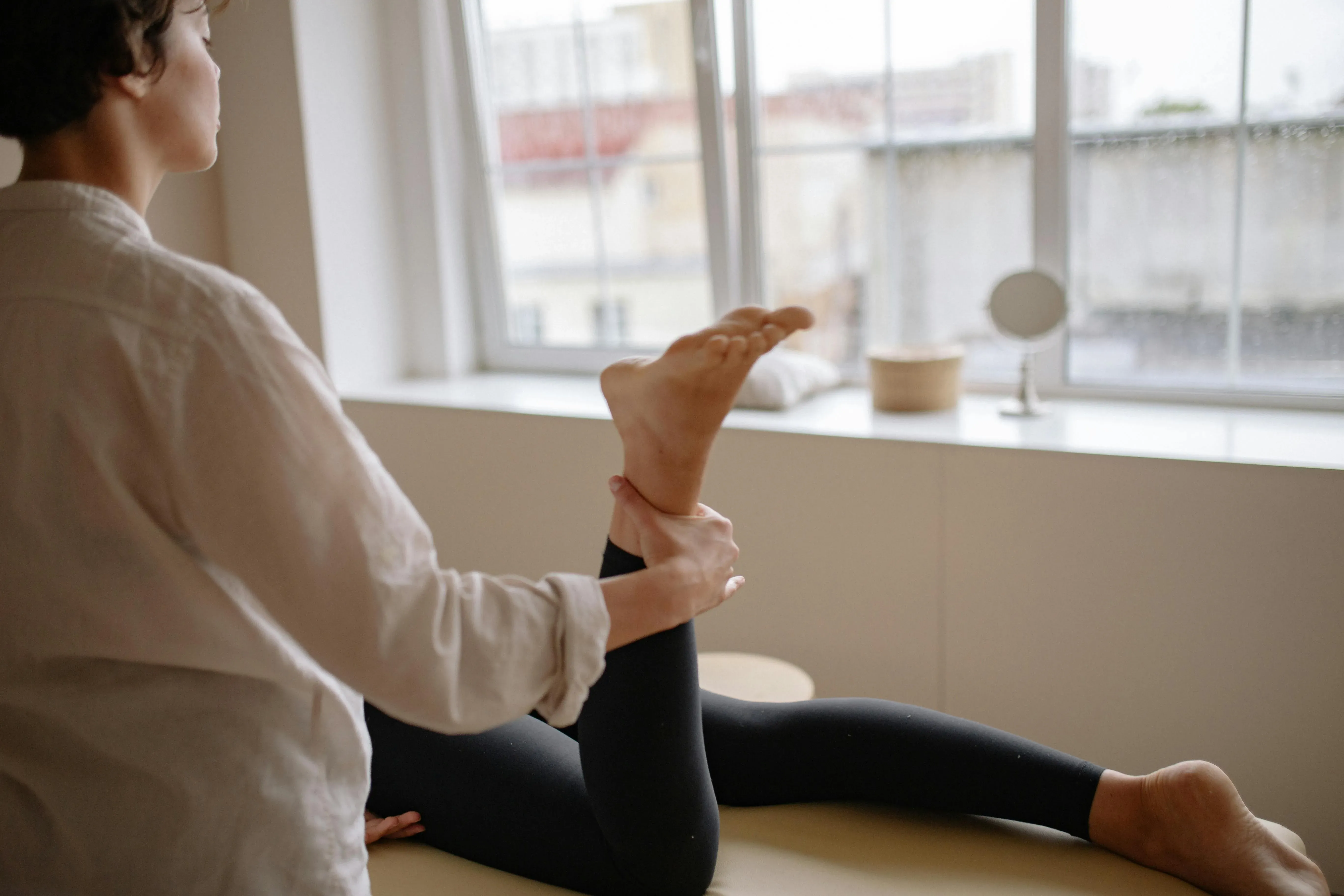
You'll learn the exact calf and fascia stretches, how long to hold them, and when in the day they matter most: before those first steps. Done consistently, this outperforms every gadget sold for heel pain.
Arch taping and the right shoes take strain off the fascia the same day, buying comfortable time while real healing catches up.
When your foot's mechanics keep tearing the fascia faster than it can mend, prescription inserts change the load itself. That's correction, not cushioning.
For cases that have hung on past three months of proper care, sound-wave therapy delivered in a short weekly series restarts the healing response. You walk out and go back to your day.
Cortisone can quiet a severe flare but is used sparingly, since repeated shots can weaken the band. Truly chronic cases have minimally invasive options; open fascia surgery is almost never the answer.
The fascia stiffens during rest, and the overnight micro-repairs are fragile. Movement warms and stretches the band, so mid-morning feels better, but the day's accumulated load re-irritates it by evening. That warm-up-then-worse cycle is one of the most reliable clues pointing to the fascia.
Yes, and the plan should assume you're staying on the floor. Cushioned supportive footwear, taping or orthotics, stretch breaks, and an anti-fatigue mat where your station allows all cut the load enough for healing to gain ground during the workweek. The trade is consistency: the stretching has to happen on your time, every day.
Sometimes, for mild and recent cases. A quality over-the-counter arch support is a reasonable, inexpensive first step. If pain persists or your foot structure is part of the problem (flat feet, high arches), custom orthotics molded to your foot correct mechanics that an off-the-shelf insert can't touch.
It can, if the original drivers return: shoes worn past their support, abandoned stretching, or a sudden jump in standing time or mileage. Most recurrences get caught early because you'll recognize the first-step signature immediately, and patients who maintain calf flexibility and replace footwear on schedule mostly stay clear of it.
When heel pain outlasts months of trying, one of four things is usually going on. None of them is 'just live with it.'
Read the article →Plenty of pain-free feet have spurs, and plenty of painful heels don't. Here's how to tell what's actually going on.
Read the article →Three stretches carry most of the evidence for fixing plantar fasciitis. Here's how to do them correctly, and how often.
Read the article →One visit at our Sterling Heights office gets you a diagnosis and a plan. Call (586) 277-3476 or book online.